 Quest
A quest journey is a story in which heroes set out on a long trip toward a goal, facing obstacles and changing along the way. Readers also search for it as an epic journey or simply a quest, and the trope runs from classic children's fantasy to modern epic series and science fiction. The road is not background. It is the structure, and every stop tests the travellers in a new way.
What a long road gives a reader
A quest gives the reader a clear shape. There is a destination, a list of dangers, and a distance the characters must close. Each chapter reads as one more mile, and you can measure progress without following a complicated plot.
The road also allows variety. A journey can pass through forests, ruins, cities, and strange villages, and each place can bring a new character or a new problem. Readers who like a world to open up page by page tend to love this structure.
Call, companions, cost
Most quests follow a recognisable path. A character is called away from home, often reluctantly. They gather companions who bring different skills and different reasons to come. The group meets obstacles that force them to rely on each other, and the goal gets harder as the stakes rise. The travellers usually come back changed, even if the destination was not what they expected.
What separates a good quest from a tiring one is the cost of each stage. A journey should take something from the people on it, whether trust, a home, or a piece of who they were at the start.
Pacing matters as much as the destination. Strong quest books alternate long stretches of travel with short, sharp scenes where something goes wrong. The road can be quiet for a while as long as the quiet is working toward something.
Two old roads that set the template
J. R. R. Tolkien's “The Hobbit” (1937) is the most familiar quest of the modern era. Bilbo Baggins likes his quiet, well-stocked hole until the wizard Gandalf and thirteen dwarves sweep him off to reclaim a treasure from the dragon Smaug. Along the way he finds a courage and a ring he never expected. The tone is light and funny, which makes the long trip easy to enjoy.
“A Wizard of Earthsea” (1968) takes a different path. Ged, a gifted goatherd, is sent to the school for wizards on Roke, and a spell of vanity releases a shadow he cannot name. He must travel across Earthsea to face it and become whole. Ursula K. Le Guin makes the quest as inward as it is outward.
Newer journeys with a crew and a sense of humour
“Kings of the Wyld” pulls Clay Cooper out of a quiet life after his mercenary days. An old bandmate arrives to say his daughter is trapped in a besieged city, and Clay has to round up the ageing, out-of-shape heroes of Saga for one more job. Nicholas Eames writes it like a band reunion crossed with a rescue mission, and the companions are the reason to keep reading.
“Tress of the Emerald Sea” is set on an island where the seas are made of deadly spores. When the man she loves is taken by the Sorceress, Tress leaves her ordinary life, gathers an unlikely crew, and sails toward the midnight sea to bring him home. Brandon Sanderson keeps it light, with a clear quest at its centre.
“The Girl Who Fell Beneath the Sea” is more serious. Mina takes her brother's place as the sacrifice meant to calm the Sea God and wakes in the realm of spirits, where she searches for the god, hoping to save her village and the boy who has waited for her. Axie Oh makes the weight of her choice felt from the start.
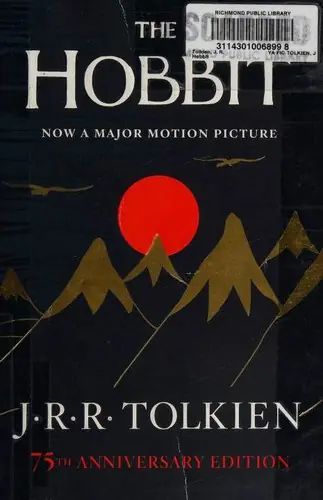
The Hobbit
J. R. R. Tolkien
1937
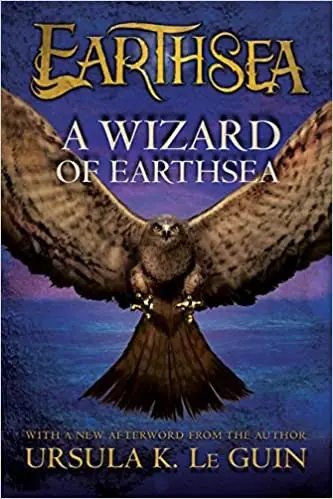
A Wizard of Earthsea
Ursula K. Le Guin
1968
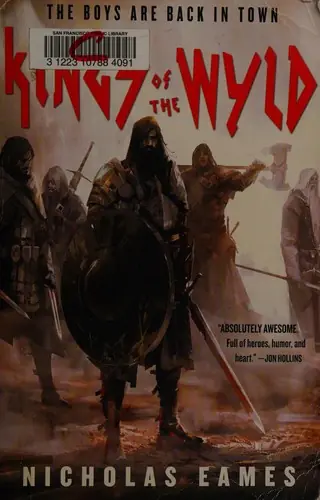
Kings of the Wyld
Nicholas Eames
2017
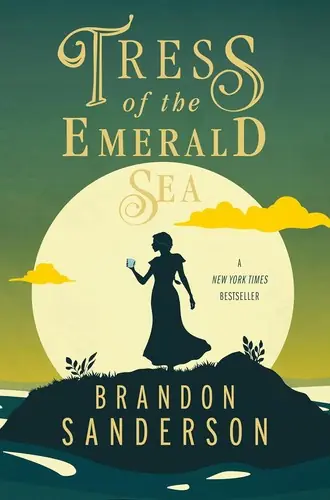
Tress of the Emerald Sea
Brandon Sanderson
2023
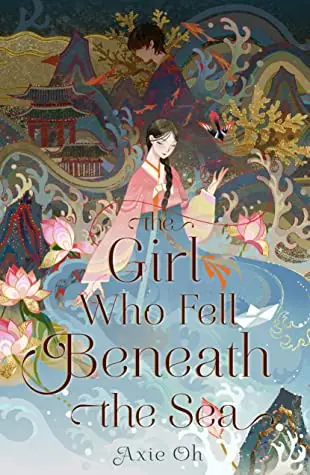
The Girl Who Fell Beneath the Sea
Axie Oh
2022
When the road sags in the middle
The most common problem is a sagging middle. Long journeys can turn into a string of unrelated encounters with no thread tying them together. Readers notice when a stop changes nothing, and the book starts to feel like a travel diary.
A second risk is companions who exist only to carry the plot. A good party has its own goals and disagreements, and the travellers should argue about the route. When every companion is loyal and agreeable, the quest loses its friction.
Which road to take first
For a warm, classic road, “The Hobbit” is the natural first choice, and it can be read in an evening or two. For a quest with a more reflective edge, “A Wizard of Earthsea” rewards patience. For a newer journey with a band of companions, “Kings of the Wyld” is an easy, entertaining pick.
Want more epic journeys?
107 books in the catalog. Add and exclude tropes, filter by genre and year.
Open in search
Frequently asked questions
What is a quest journey in books?
It is a story in which characters set out toward a distant goal, such as a place, an object, or a person to rescue. The journey itself shapes the plot, and the travellers usually change on the way.
How is a quest journey different from a chosen one story?
A chosen one story is about a person whose destiny is set from birth. A quest journey is about the trip, and the travellers can be ordinary people who choose to go. The two often overlap, and many books use both.
Do quest books have to be epic fantasy?
No. The trope appears in fantasy, science fiction, westerns, and historical adventure. The common thread is a long road, a clear goal, and obstacles that test the people on it.
Which quest journey book should I read first?
For the classic template, start with The Hobbit, which is short and easy to pick up. For a more modern and warm journey, Kings of the Wyld is a good choice.