 Rake
A rake hero is the charming scoundrel of historical romance, the man with a reputation for wicked habits and no interest in marriage. He is clever, unrepentant, and often very good-looking, and he swears off love until the right woman makes him reconsider. Readers search for the type as rake books, books with a rake, or rake romance, and the appeal lies in watching a man who seems impossible slowly become someone worth trusting.
Why a scoundrel with something to lose
The rake works because he has something to lose. A man who has never cared what society thinks has nothing to hide behind when he finally cares about someone, and the heroine can see both the charm and the cost of it. He acts careless in company and is often sharply observant in private.
Then there is the sparring. A rake is usually quick, and he treats the heroine as a challenge, not a conquest. When the two are evenly matched, the banter does much of the romantic work, and the reader feels the tension long before either character admits it.
The beats of a rake romance
The hero is introduced through his reputation, often in the middle of a scandal or a wager. The heroine has a reason to need him or to resist him: a bargain, a family problem, a plan that goes wrong. The story then tests his charm against real feelings, and the turning point usually comes when he chooses honesty over a clever escape.
The best versions make the reform believable. The hero does not become a different man overnight. He becomes a little less careless, and the reader sees that the old habits were partly armour.
Five rakes, five levels of danger
“Lord of Scoundrels” is the classic. Jessica Trent comes to Paris to drag her foolish brother away from Sebastian Ballister, the Marquess of Dain, a notorious rake. Their battle of wills ends in a scandal, a duel, and a marriage neither wanted. Loretta Chase keeps the sparring witty and lets two proud, guarded people slowly learn to trust each other.
“The Duke and I” is the lightest Regency entry. Daphne Bridgerton is tired of the marriage market, and Simon Basset, the new Duke of Hastings, has no wish to wed. They agree to pretend to court so that suitors and matchmaking mothers leave them alone, and the arrangement proves harder to keep up than they expected. Many readers meet it first through the television adaptation.
“Devil in Winter” pairs a shy heroine with a penniless rake. Evie Jenner needs a husband to escape her greedy relatives and proposes a marriage of convenience to Sebastian, Lord St. Vincent, whose reputation is scandalous. They flee to Gretna Green, and the practical arrangement turns into something neither expected. Lisa Kleypas gives Evie real steel, which keeps the rake from taking over.
“Duke of Sin” is the darker version. Valentine Napier, Duke of Montgomery, returns from exile to his London house, vain, amoral, and dangerous. His housekeeper Bridget Crumb is secretly searching for the letters he uses to blackmail her mother, and she refuses to be cowed. Elizabeth Hoyt turns their contest of wills into a slow, intense attraction. It suits readers who want a rake with real menace.
“Nine Rules to Break When Romancing a Rake” is the playful one. Lady Calpurnia Hartwell has spent her life being proper, so she draws up a list of scandalous things she longs to try and asks the notorious Marquess of Ralston, Gabriel St. John, to help. The list gives the rake a clear job, and the fun is in watching an old acquaintance deepen into love as he escorts her through each escapade.
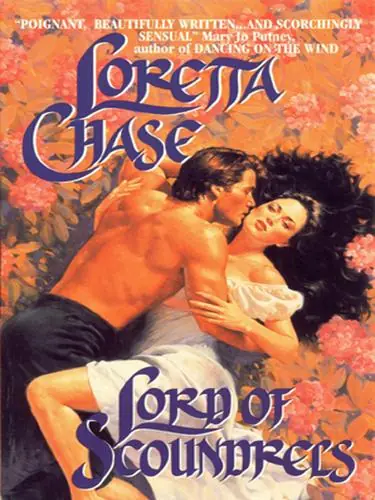
Lord of Scoundrels
Loretta Chase
1995
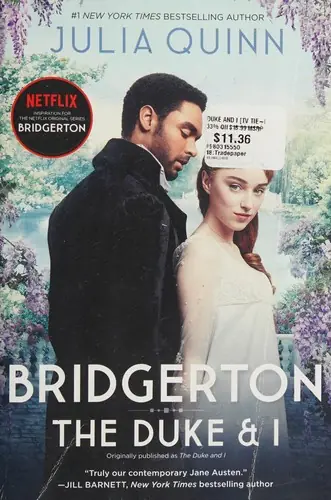
The Duke and I
Julia Quinn
2000
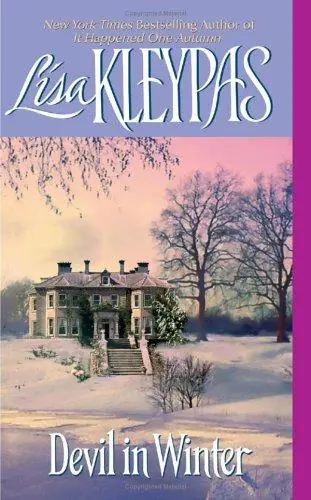
Devil in Winter
Lisa Kleypas
2006
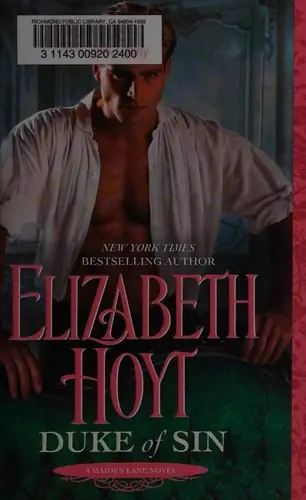
Duke of Sin
Elizabeth Hoyt
2016
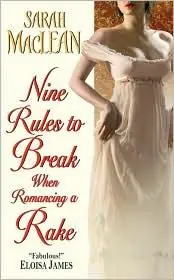
Nine Rules to Break When Romancing a Rake
Sarah MacLean
2010
When the rake does not really reform
The obvious risk is a hero who does not change. If the reform is a single speech, the reader stops believing the rake was ever more than a costume. The best books show what he gives up and what he risks by loving someone.
The other risk is romanticised harm. Some rakes are coercive, cruel, or careless with other people's safety, and a book that presents this as charm is a different kind of story. Blurbs and reviews usually make the line clear. If a hero's behaviour is framed as something the heroine should simply accept, it may not be the romance you want.
Which scoundrel to meet first
If you like sharp dialogue, “Lord of Scoundrels” is the classic to read first. “The Duke and I” is the gentlest, most accessible pick. For a rake with some real danger in him, try “Duke of Sin”, and “Nine Rules to Break When Romancing a Rake” suits readers who like a playful plot.
Find books with the “Rake” trope
14 books in the catalog. Add and exclude tropes, filter by genre and year.
Open in search
Frequently asked questions
What does rake hero mean in books?
A rake is a charming, careless and often notorious man who has enjoyed a life of pleasure and has no plans to settle down. In romance he is usually the hero, and the story turns on whether he can change for the heroine.
Is a rake the same as a libertine or a villain?
Not exactly. A rake is a romantic lead with a reputation, and the book usually shows a decent core under the scandal. A libertine or villain can be truly harmful, and romance books tend to be clear about which one they are.
Do rake romances always take place in the Regency period?
Most do, since the rake is a fixture of Regency and Georgian romance. Some modern romances borrow the type into contemporary settings, so check the blurb if the period matters to you.
Which rake romance should I read first?
For a witty classic, try Lord of Scoundrels. For a lighter, more modern feel, The Duke and I works well. Devil in Winter is a strong choice if you like a marriage of convenience with a rake.