 Redemption Arc
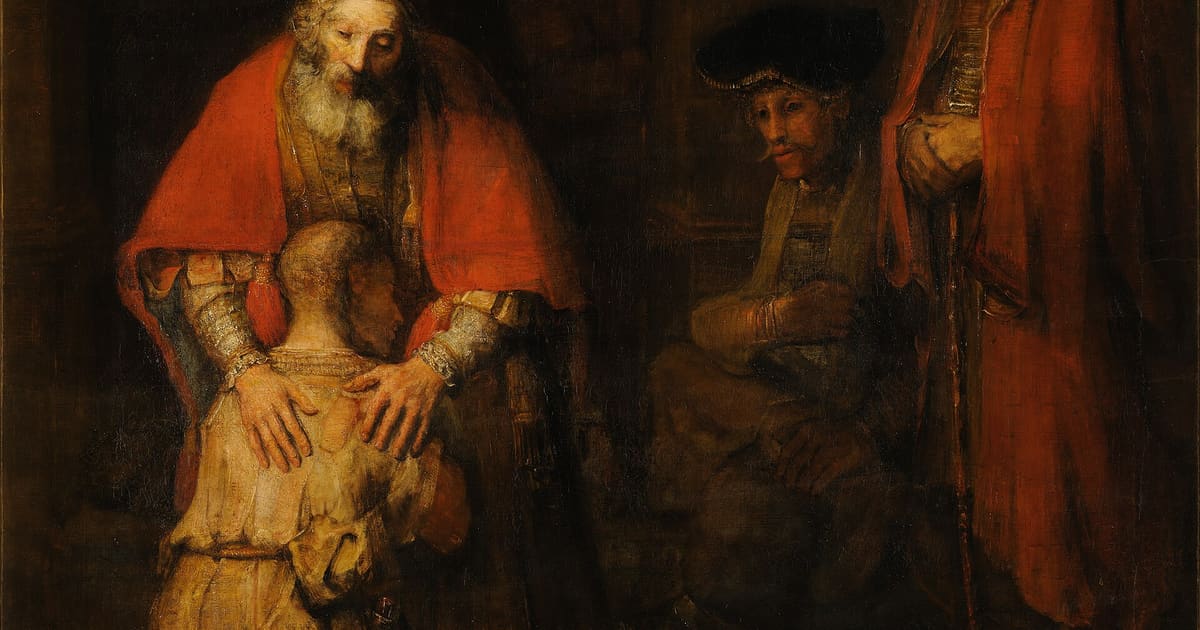
A redemption arc follows a character who has done real harm and now tries to make it right. The character might be a traitor, a former enforcer, a cruel parent, or a villain who has changed sides, and the story asks whether a person can atone for what they have done. Readers search for it as redemption arc books, villain redemption, or a redemption story, and the appeal lies in the cost of the change more than the change itself.
Hope that remembers the damage
A redemption story offers hope without pretending the past never happened. The reader knows what the character did, and that knowledge makes every small act of decency weigh more. The question is not only whether they succeed in fixing something but whether they are willing to pay for it.
It also gives the story moral weight. A good arc makes the reader think about accountability and forgiveness, and it does so through a person instead of a lecture.
What makes an arc believable
The strongest arcs share a few features. The wrongs are specific and remembered, not wiped away by one apology. The people who were hurt are still real, and some of them do not forgive. The change happens through choices made under pressure, often at a cost to the character's comfort, safety, or sense of self.
There is usually a moment when the old self wins: the character slips, or is tempted back to the easy path. The redemption is in what they do next. Without that test, the change reads as convenient.
Five ways to carry guilt
“The Kite Runner” is the most emotionally direct. A boy in Kabul betrays his loyal friend on the day of a kite-flying contest, and the guilt follows him into exile in America. Years later he returns to a changed Afghanistan to try to make things right. Khaled Hosseini builds the arc around one betrayal, which makes the attempt to atone feel expensive.
“A Court of Silver Flames” is the romantasy take. Nesta Archeron has survived war and transformation, but she cannot forgive herself for what she lost or forget what she did. Sent to train with Cassian in the House of Wind, she is forced to face her anger and grief. Sarah J. Maas puts that at the centre, and it is more interesting than the romance around it.
“Oathbringer” is epic fantasy with a long memory. Dalinar Kholin has united the human kingdoms against a growing darkness, but the war has exposed fractures within his alliance and within himself. Brandon Sanderson makes him confront the brutal warlord he once was and decide what a man can still become after his worst deeds are known.
“The Lion, the Witch and the Wardrobe” is the childhood version. Four children step through a wardrobe into Narnia, a land locked in endless winter by the White Witch, and one of them betrays the rest. C. S. Lewis gives that betrayal real hurt, and how the book deals with it is among its most discussed parts.
“Crime and Punishment” is the heaviest on the list. A poor student in St Petersburg, convinced that great men stand above the law, murders a pawnbroker and her sister. What follows is less a chase than a slow unravelling of guilt. Dostoevsky asks whether confession and suffering can ever settle a debt, and people still argue about it.
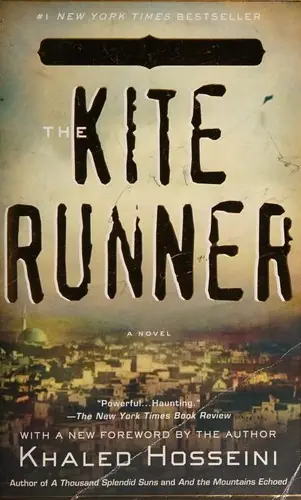
The Kite Runner
Khaled Hosseini
2003
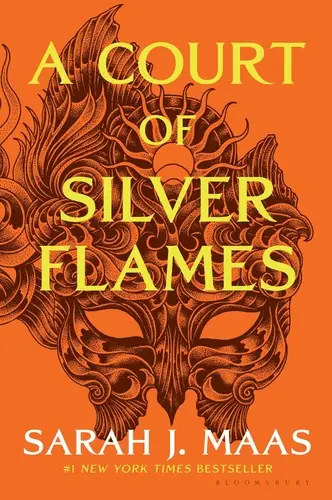
A Court of Silver Flames
Sarah J. Maas
2021
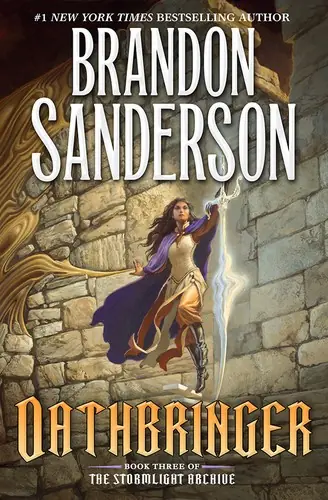
Oathbringer
Brandon Sanderson
2017

The Lion, the Witch and the Wardrobe
C. S. Lewis
1950

Crime and Punishment
Fyodor Dostoevsky
1866
When forgiveness comes too cheap
The most common problem is forgiveness without cost. If the character is welcomed back the moment they say sorry, the wrong stops mattering, and readers who wanted the story to take harm seriously feel cheated. The best books keep the consequences in view even after the character has changed.
The other risk is redemption used to excuse abuse. Some stories ask the reader to sympathise with a character who has hurt someone and never examine the harm. If the wrongs in a story are very serious, check reviews first and look for a book that gives the people who were hurt a voice.
Pick the weight you can carry
For a warm, emotional story, start with “The Kite Runner”. For fantasy with a slow, honest arc, “Oathbringer” is the best pick, and “A Court of Silver Flames” suits readers who want the arc tangled up with a romance. Save “Crime and Punishment” for when you are ready for a book that asks heavy questions and does not rush to answer them.
Find books with the “Redemption Arc” trope
20 books in the catalog. Add and exclude tropes, filter by genre and year.
Open in search
Frequently asked questions
What does redemption arc mean in books?
It is a storyline in which a character who has done real harm works to make amends. The arc is about the cost of changing, and it usually asks what the character owes to the people they hurt.
How is a redemption arc different from a villain turning good?
A villain turning good is usually a quick switch. A redemption arc takes time and forces the character to face specific wrongs. The best ones keep the past present, so the change feels earned rather than convenient.
Is a redemption arc always a happy ending?
No. Some characters are forgiven and some are not, and some stories end with the attempt rather than the reward. Check the blurb for how the book treats the consequences of the past.
Which redemption arc book should I read first?
For a gentle, moving story, try The Kite Runner. For fantasy with a slow, careful arc, Oathbringer is a strong pick, and A Court of Silver Flames suits readers who like romance alongside the healing.