 Age Gap Romance

Age gap romance is a love story between two leads who are far apart in years, where the difference in age itself creates tension or a taboo. Readers also use the term May-December romance for the extreme version, and reverse age gap when the woman is the older partner.
It is not a genre, and it appears in historical fiction, romantic comedy, young adult fantasy, and literary fiction. What defines it is that the number of years matters to the plot.
Why readers like it
The attraction is often the same thing that makes the couple nervous. An older partner usually brings steadiness and a settled life; a younger one brings energy and a willingness to start over. When those qualities meet, the pairing can feel less like a mismatch than two people meeting a stage of life the other has not reached.
The gap also supplies conflict without a villain. A couple can be perfectly suited and still face a real question: whether the younger partner will resent lost years, or whether the older one will one day feel like a caretaker.
How the age gap shows up in a story
Most novels follow a similar set of beats. The two leads meet where the difference is already visible, often through work, family, or a shared circle: one is a manager, a teacher, a neighbour, or a friend's parent.
Someone notices the number. A relative says the older one is old enough to be a parent, or that the younger one is only interested in money. The trope usually needs one in-world comment to register as an age gap rather than an ordinary couple.
Both leads weigh the reaction of other people. The older partner worries about taking advantage or holding the younger one back; the younger insists on being treated as an adult who knows their own mind.
The couple then decides the gap is survivable, and the story turns on that choice rather than the arithmetic. A romance can settle it early with one conversation; a slower book keeps the doubt alive for much of the plot.
Variations and nearby tropes
- Older man, younger woman. The most common shape, especially in historical romance and in stories about a mentor or a family friend.
- Reverse age gap. Here the woman is older. Contemporary romance uses this more often, and it shifts which partner is expected to apologise.
- May-December. An extreme version in which the partners are decades apart and at different stages of life, so strangers may mistake them for parent and child.
- Power imbalance. When the older partner is also the boss, teacher, or guardian, the age gap overlaps with forced proximity and with questions of consent.
The trope is close to forbidden love, and many age gap books are also forbidden love books. Here the obstacle is the age itself, not a marriage, a war, or a social rule. Age gap romance also pairs well with slow burn, because time is what lets the couple test whether the difference is workable.
Examples in the catalog
The clearest classic here is “The Thorn Birds” by Colleen McCullough, where Meggie Cleary grows up near Father Ralph de Bricassart and the two stay bound for decades to a love his vocation makes impossible.
In young adult paranormal romance, “Vampire Academy” by Richelle Mead gives Rose Hathaway a forbidden attraction to her older instructor, so age and authority stand in for the rules she must follow.
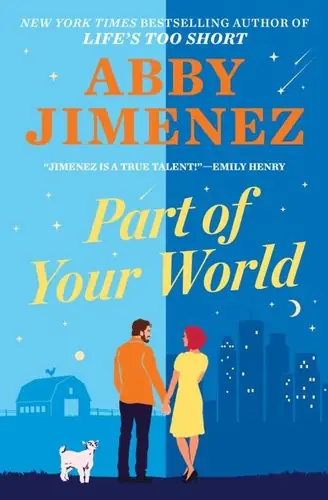
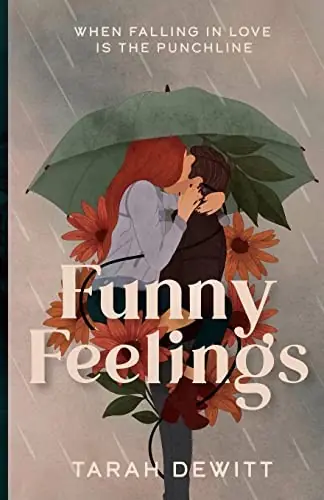
Contemporary romance has moved toward the reverse age gap. “Part of Your World” by Abby Jimenez sets Alexis, thirty-seven, against Daniel, a carpenter nine years younger. “The Idea of You” by Robinne Lee puts thirty-nine-year-old Solène next to a twenty-year-old singer, and the public reaction becomes as dangerous as the feelings. “Birthday Girl” by Penelope Douglas keeps the taboo inside one household, as nineteen-year-old Jordan is drawn to her boyfriend's father, Pike. “Funny Feelings” by Tarah DeWitt uses the trope more quietly, letting a long friendship carry a difference the characters have stopped noticing.
Outside the catalog, three well-known books show the range of the device. The Reader (1995) by Bernhard Schlink begins with a fifteen-year-old boy and a woman of thirty-six, and the imbalance shapes his whole life. The Price of Salt (1952), later published as Carol, by Patricia Highsmith pairs a young woman with a lover about ten years older. Call Me by Your Name (2007) by André Aciman turns a seven-year gap into a season of first love and loss.
What some readers dislike
The most common objection is discomfort. When the younger lead is a teenager, or when the older one holds real power over them, some readers find the romance difficult to enjoy, even if the book presents it as consensual.
Others dislike how quickly a story waves the gap away. If a character says age is only a number and the plot never tests that claim, the tension disappears.
A third complaint is wording. Phrases like cradle robber or trophy wife can make the relationship sound like a transaction rather than a love story. A good version lets the couple answer those accusations instead of ignoring them.
Where to start
For the classic version, start with “The Thorn Birds”. For a recent reverse age gap, “The Idea of You” and “Part of Your World” are the clearest. If you want the taboo at its sharpest, try “Birthday Girl”. For a softer friends-to-lovers route, “Funny Feelings” works, and readers who want fantasy can pick up “Vampire Academy”.
Looking for an age gap romance without a love triangle?
8 books in the catalog. Add and exclude tropes, filter by genre and year.
Search without “love triangle”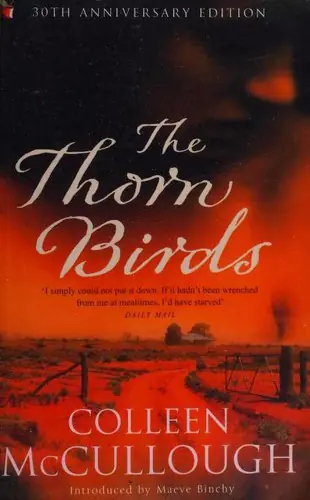

Frequently asked questions
What does age gap romance mean in books?
It is a love story in which the two leads are far apart in age and the difference matters to the plot. The couple has to weigh what other people think, and often what they fear about the future, before they can be together.
How big does an age gap have to be?
There is no fixed number. A gap is usually felt when the partners are at clearly different stages of life, or when one could plausibly be the other's parent. Seven years between two adults in their twenties reads very differently from the same number at sixteen and twenty-three.
What is the difference between age gap romance and forbidden love?
Forbidden love covers any obstacle the world puts between two people, such as class, marriage, or a feud. Age gap romance is one case of it, where the number of years is the obstacle, though many books use both ideas at once.
What should I read first?
For a classic, try The Thorn Birds by Colleen McCullough. For recent contemporary romance, The Idea of You by Robinne Lee or Part of Your World by Abby Jimenez. If you want the taboo at its sharpest, Birthday Girl by Penelope Douglas.