 Betrayal
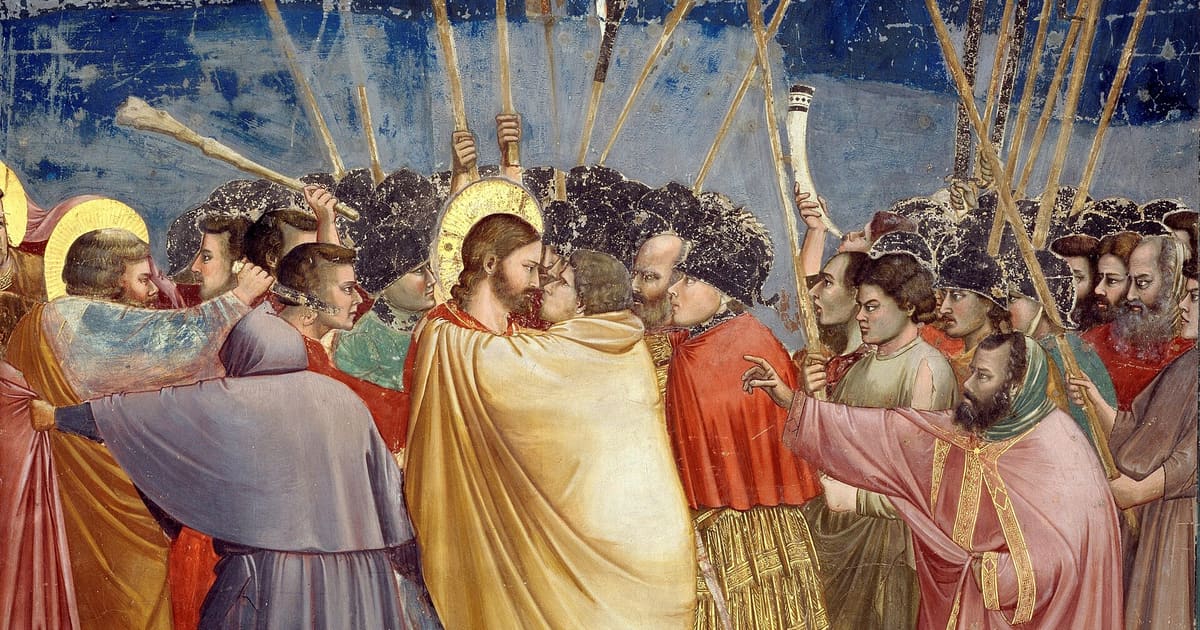
Betrayal is the trope in which trust breaks. A friend sells out a friend, a brother takes the crown, a spouse hides a truth, or an ally switches sides at the worst moment. Readers search for it as the betrayal trope, traitor stories or betrayal romance books, and it turns up in fantasy, thrillers and romance alike.
Why a friend hurts more than a villain
A villain is expected to be a villain. A friend who lies feels like a failure of your own judgement, and the reader feels that failure along with the hero. The best books let you see the hurt on the betrayed character's face before they know all the facts.
The question is rarely what happened. It is what the hero does now that they know who they can rely on, and whether they can ever trust anyone the same way again.
Some of the most painful betrayals happen offstage, reported by a messenger or found in a letter. The reader has to imagine the moment, and that often stings more than a scene written out in full.
Family, lovers, allies
The shape of the betrayal changes the question the book asks. A sibling who takes power or property is about inheritance and loyalty. A lover with a hidden secret is about intimacy. A friend who picks a side is about the kind of trust nobody ever wrote down.
It also matters what the hero already knows. If they suspect a friend and are still wrong, the book plays on the reader's own doubts. If they trust blindly, the reader watches the floor drop out. Both work, and the difference is mostly how much the book shows from the hero's side beforehand.
Books with a betrayal at the core
“Captive Prince” opens with Damen, prince of Akielos, betrayed by his half-brother and sent to Vere as a slave and a gift to Prince Laurent, the heir he once fought. The betrayal is the engine of the book, and the court he lands in runs on shifting alliances.
“The Cruel Prince” raises Jude, a mortal girl, in the High Court of Faerie, where trust is a dangerous habit. The tension is not only romantic. It is about who can be believed at all.
“Gone Girl” starts with a disappearance. On their fifth wedding anniversary Amy Dunne vanishes from a rented house, and her husband Nick quickly becomes the prime suspect. Two narrators tell very different versions of the same marriage, so it suits readers who like sharp, unreliable perspectives.
“The Traitor Baru Cormorant” treats betrayal as a strategy. When the Empire of Masks conquers her island home, Baru hides her hatred and joins the imperial civil service. Whether you forgive her depends on how much you believe the disguise costs her.
Outside the catalog, The Count of Monte Cristo by Alexandre Dumas is the old standard for betrayal and revenge. Edmond Dantès is arrested on his wedding day and imprisoned without trial, while the men who wronged him go on with their lives. It first appeared in serial form in the 1840s and is still a long, satisfying read.
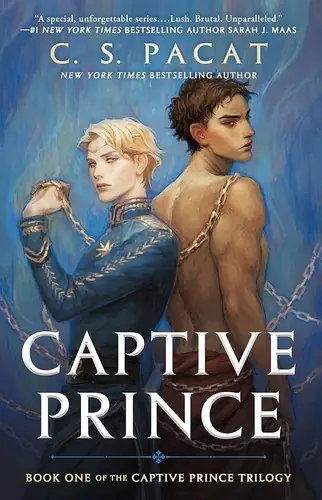
Captive Prince
C.S. Pacat
2013
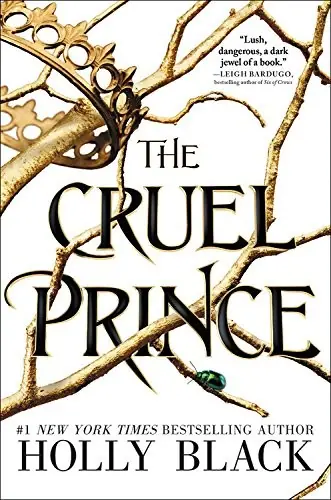
The Cruel Prince
Holly Black
2018

Gone Girl
Gillian Flynn
2012
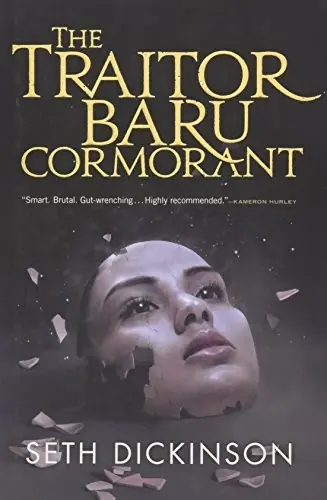
The Traitor Baru Cormorant
Seth Dickinson
2015
When every ally is a suspect
The usual complaint is betrayal as a shock every few chapters. When anyone might be a traitor, trust turns into a plot device instead of a relationship, and readers stop caring who is loyal to whom.
In romance, the trouble is the betrayal waved away as a misunderstanding. Some readers like a messy, painful reckoning, but many want the harm dealt with, not glossed over. Reviews will tell you how the book handles the aftermath.
Then there is the betrayal that comes out of nowhere. Readers forgive a twist that was planted early. One that appears only to shock feels cheap, and it makes the earlier affection look foolish.
Where to start
For fantasy, “Captive Prince” is the clearest place to begin. For a modern thriller with a sharp edge, try “Gone Girl”.
If you cannot decide, read a sample first. The opening pages usually show whether the book cares about the people who are betrayed or only about the betrayal.
More books where trust is the first casualty
80 books in the catalog. Add and exclude tropes, filter by genre and year.
Open in search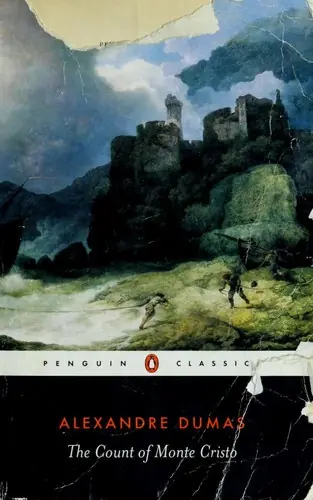

Frequently asked questions
What does betrayal mean in books?
It is a plot where someone the hero trusts turns against them, whether a friend, a family member, a lover, or an ally. The story follows the damage and what the hero does next.
Is betrayal the same as a plot twist?
Not always. A twist is about surprise, while betrayal is about trust. Many books use a betrayal as their turning point, but the trope is defined by the broken relationship itself.
Are betrayal books mostly romance?
No. Betrayal shows up in fantasy politics, psychological thrillers, and literary fiction. Romantic betrayal is common, but so are betrayals between siblings, allies, and friends.
Which betrayal book should a beginner read?
Captive Prince is a clear starting point for fantasy readers. Gone Girl suits readers who want a modern thriller built around a broken marriage.