 Dystopia
A bleak dystopia is a story set in a society that has closed in on itself. A government, a corporation or a rigid system decides what people can know, whom they can love and what they are allowed to do, and the story asks what is left of a person inside that machine. Readers search for it as bleak dystopia, dystopian books or dark future novels, and the trope runs from young adult thrillers to adult political fiction.
The reasonable rule that goes wrong
The most memorable dystopias are built around a rule that sounds reasonable at first. A safety measure, a moral principle or a promise of stability is used to justify something terrible. The horror grows as you see how the rule is enforced, how small the exceptions are and how quickly people stop questioning it.
That is what separates a dystopia from plain tyranny. The characters often believe the system protects them, and the reader watches them learn otherwise, one door at a time.
Bleakness also depends on who can see the system. When characters understand the cage and still cannot leave it, the book turns grim. When they are kept ignorant, the fear moves to what they cannot see, which is often worse.
Why people keep coming back
Dystopias let readers think about power without a lecture. The world is exaggerated, but the mechanisms are familiar: surveillance, propaganda, quiet pressure to conform. Readers often say these books made them notice something in their own lives.
The arc is clear, too. A character who starts out compliant and slowly sees the cage can take the reader along, and that slide from comfort to doubt is what keeps many people turning pages.
Books that build the cage
“Wool” is a tight, unsettling place to start. In a future where the air outside is deadly, people live in a buried silo and are told that anyone who asks to go outside will be sent there to die. When a sheriff starts asking questions about the world beyond the walls, the silo's order begins to crack. The setting is small, a few rooms and a lot of suspicion, which keeps the fear close.
“Scythe” has a stranger premise. In a future where death has been conquered, professional Scythes must choose who dies, and two teenagers are apprenticed to one of them. It leaves more room for hope than most books here.
“The Darkest Minds” is a young adult dystopia with a political spine. After a disease kills most American children, the survivors develop dangerous powers and are locked in government camps. Ruby escapes and joins a group of runaways.
“Matched” keeps the control inside the heart. In a society where the Officials choose who you love, Cassia is matched with her best friend until a mistake shows her another face. It is the quieter book of the group, and it asks how much of your own life you really choose.
“Tender Is the Flesh” is much darker and harder to read. After a virus makes all animal meat deadly, Argentina legalises the farming of humans for food, and Marcos works the slaughter line. It is written for adults who can stay with an uncomfortable premise.
Outside the catalog, Margaret Atwood's The Handmaid's Tale is the classic bleak dystopia. A theocratic state assigns women to bear children for the powerful, and the narrator describes daily life in a precise, cold voice. Many readers meet it after running into the trope elsewhere.
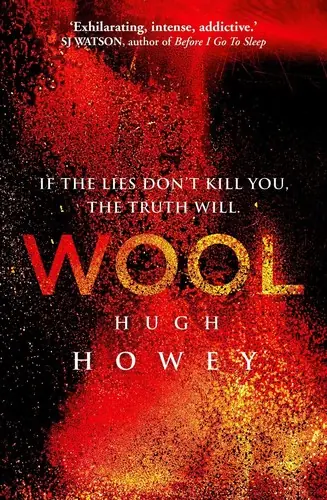
Wool
Hugh Howey
2011
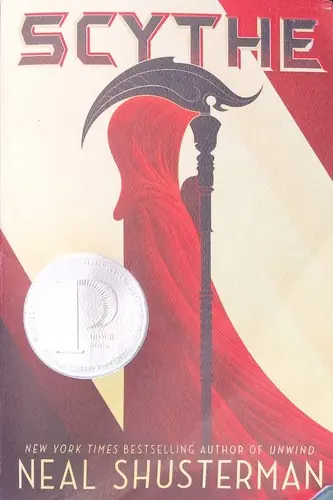
Scythe
Neal Shusterman
2016
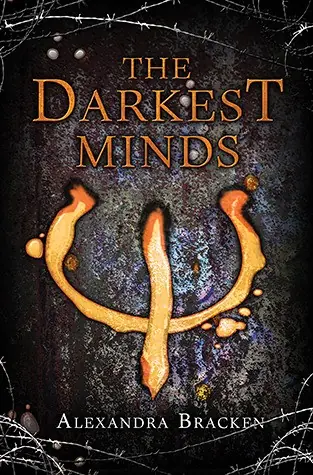
The Darkest Minds
Alexandra Bracken
2012
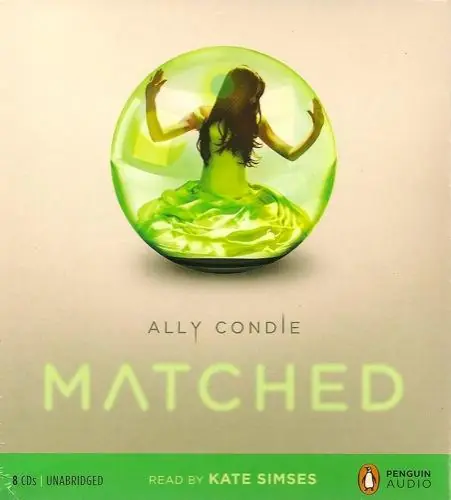
Matched
Ally Condie
2010
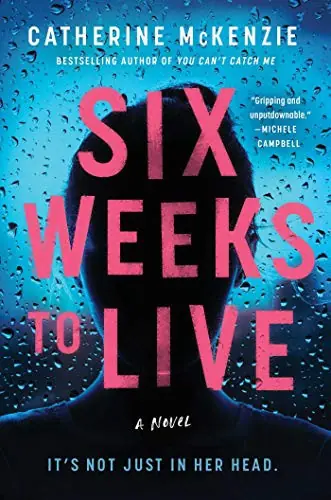
Tender Is the Flesh
Agustina Bazterrica
2017
When the cruelty turns into scenery
The common complaint is the dystopia that is only a backdrop for a romance, where the system is a set piece for the leads to escape. Once the world stops mattering, the bleakness starts to look like decoration.
The other complaint is repetition. Enough books have used the same ideas that readers can predict where things are going. The strongest dystopias pick one specific kind of control and follow it closely instead of gesturing at all of them at once.
Where to start
For a tense, contained world, try “Wool” first. If you want a dystopia that asks a moral question alongside the danger, “Scythe” is the next step. If you prefer the gentler, romantic end of the trope, “Matched” is the softer way in.
More books set in societies that have shut the door
37 books in the catalog. Add and exclude tropes, filter by genre and year.
Open in search
Frequently asked questions
What makes a book a bleak dystopia?
It is set in a society under total or near-total control, where a government, a corporation, or a rigid system decides what people can know, feel, and do. The bleakness comes from how little room the characters have to choose.
What is the difference between dystopia and post-apocalyptic fiction?
Dystopia describes a society that has gone wrong, often while still functioning. Post-apocalyptic fiction describes a world after a collapse. The two overlap, but dystopia is about control and post-apocalyptic fiction is about survival.
Are dystopian books for young adults?
Many are. The young adult shelf is full of dystopias, and they often follow a teenager who notices the rules are wrong. Adult dystopias tend to be darker and more explicit.
Which dystopia should I read first?
Wool is a tight, unsettling place to start. Scythe suits readers who want a strong premise with a little more hope in it.