 Rebellion
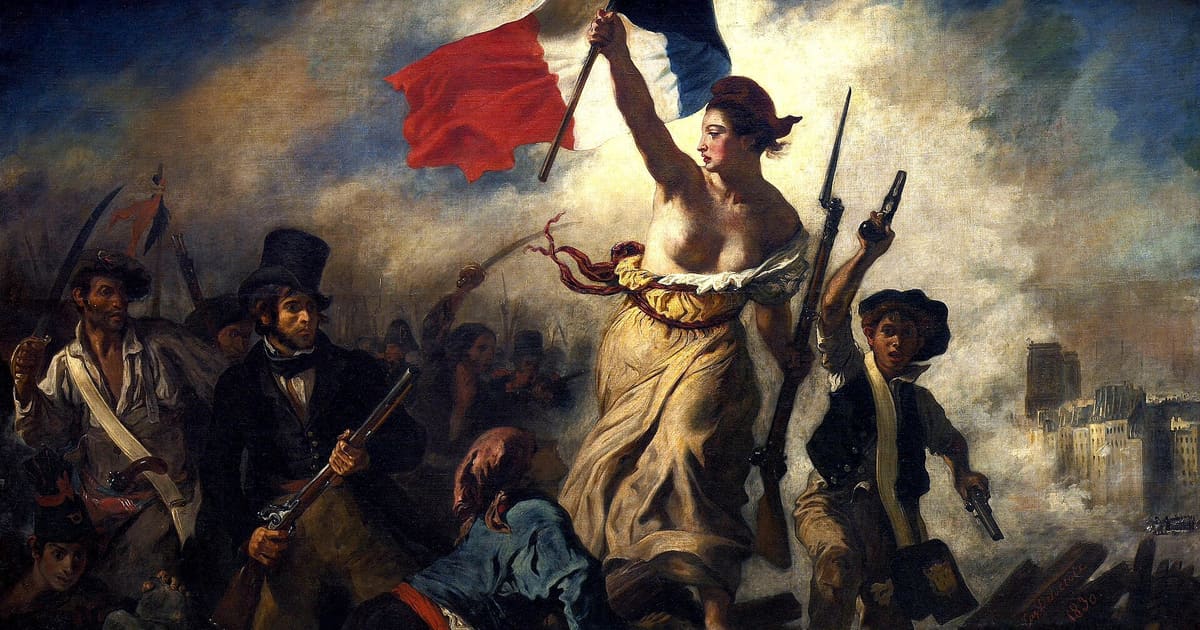
Rebellion is the plot in which characters rise up against an unjust power or an oppressive system. The enemy might be an empire, a caste system, a faction government, or a set of laws a whole society has agreed to live under. Readers search for it as rebellion books, the rebellion trope, or fight-the-system stories, and it turns up in fantasy, science fiction, and contemporary fiction, often on young adult shelves.
Why a decree only hurts when it has a name
Rebellion stories work because they make politics personal. A decree is an abstraction until a character's brother is arrested or a friend disappears into a labour camp. The protagonist usually starts with something to lose, and the story asks what they will give up to hit back.
I think this is also why the trope lasts. You can read a rebellion novel as a thriller, as a romance with a cause, or as a sharp argument about power. The best ones let all three run at once, so the fight never feels like a lecture.
Not every rebel carries a flag
Not every rebellion is an army marching on a palace. The forms vary a lot:
- A secret resistance that moves information, weapons, or people under the noses of guards.
- An open uprising with a clear leader, a symbol, and a date to strike.
- A quiet refusal, where a character plays along with the system while planning to break it.
The third version is the one I keep returning to. In “The Traitor Baru Cormorant”, the Empire of Masks conquers Baru's island home, and she hides her hatred and joins the imperial civil service as an accountant. The rebellion is a long game of patience, and it costs her dearly. Readers who find big battles tiring tend to like that approach.
Timing matters too. A rebellion that starts too early is crushed, and one that waits too long loses momentum. Authors who understand this build the book around the moment the characters decide they cannot wait, and that decision is where the tension lives.
Four uprisings to start with
“Red Rising” is set on a future Mars, where a miner from the lowest caste learns that the paradise he was promised does not exist and that his people are slaves. He is remade as a member of the ruling class and sent into a brutal contest, planning to bring the whole system down from inside. Pierce Brown writes it at a run.
“An Ember in the Ashes” is built around a militarised empire. After her brother is arrested as a traitor, Laia goes undercover as a slave in a brutal military academy to spy for the rebels. There she meets Elias, a reluctant soldier whose future is bound to the regime she works against.
“The Hate U Give” is the contemporary entry. Starr splits her life between her mostly white school and her neighbourhood, until she witnesses a police officer shoot her unarmed friend. Angie Thomas makes the rebellion a teenager deciding whether to stay silent or speak, not an army.
“Divergent” places the fight inside a city divided into five factions. Beatrice Prior learns she does not belong to any of them, chooses Dauntless, and hides her divergence while uncovering a plot that threatens everyone. It is a common first pick for younger readers.
Outside the catalog, George Orwell's Animal Farm (1945) is the classic rebellion fable. The animals of Manor Farm drive out their owner and run the place themselves. What happens afterwards is the part readers argue about most.
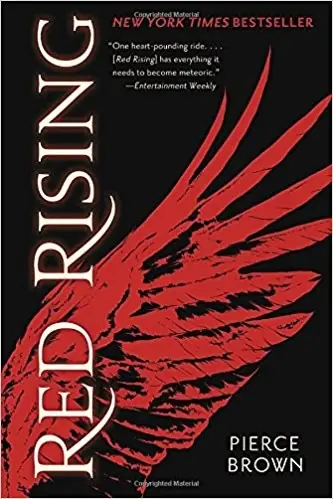
Red Rising
Pierce Brown
2014
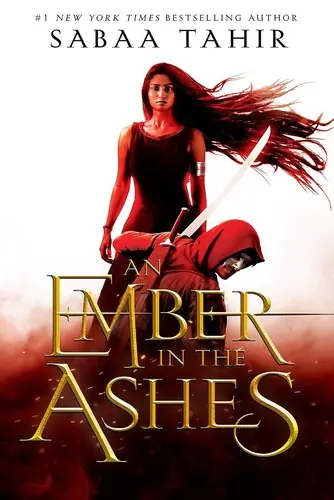
An Ember in the Ashes
Sabaa Tahir
2015
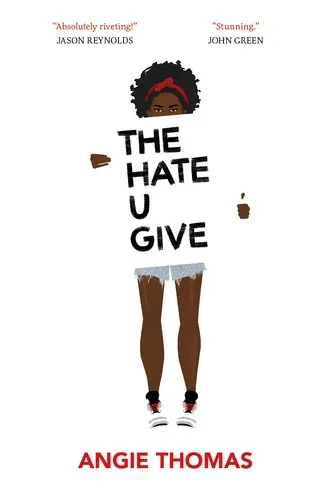
The Hate U Give
Angie Thomas
2017
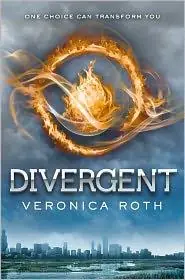
Divergent
Veronica Roth
2011
Rebellion and its neighbours
The trope sits close to dystopia and chosen one. A dystopia describes the world that needs overthrowing, while rebellion is the reaction to it. A chosen-one story puts destiny on the rebel's shoulders, which can make the fight feel decided before it starts. The best rebellion novels keep the outcome open, so the reader still believes the cost is real.
Where the fight rings hollow
There are three common complaints. The first is the rebellion that is only a costume: the hero says the right words, but nothing in the plot makes them pay. If the enemy has no real power, the stakes evaporate.
The second is a romance that takes over. Many YA rebellion books carry romance and politics side by side, and some readers find the romance crowds out the cause. Blurbs usually signal how much of each to expect.
The third is a hero who wins too easily. If every obstacle falls to one brilliant move, the rebellion becomes a fantasy of competence, not a struggle.
Where to start
For a contemporary story, begin with “The Hate U Give”. For big science fiction, pick “Red Rising”. If you want the patient, political kind of rebellion, try “The Traitor Baru Cormorant”.
Want more books where the underdog fights back?
45 books in the catalog. Add and exclude tropes, filter by genre and year.
Open in search


Frequently asked questions
What does rebellion mean in books?
It is a story where characters challenge an unjust power, a corrupt government, or a rigid social order. The conflict is political or social, and the characters have to decide what they are willing to risk to change it.
Is rebellion the same as a dystopia?
Not quite. Dystopias describe an oppressive society, while rebellion stories focus on the act of pushing back. Many books do both, but a rebellion can also happen in a monarchy, a colony, or an ordinary town.
Do rebellion books need a chosen hero?
No. Some follow a single figure who becomes a symbol, while others are about a movement, a group of ordinary people, or a quiet resistance inside the system itself.
Which rebellion book should I read first?
The Hate U Give suits readers who want a contemporary story, and Red Rising suits those who like big science fiction. Divergent is a common choice for younger readers.