 Forbidden Knowledge
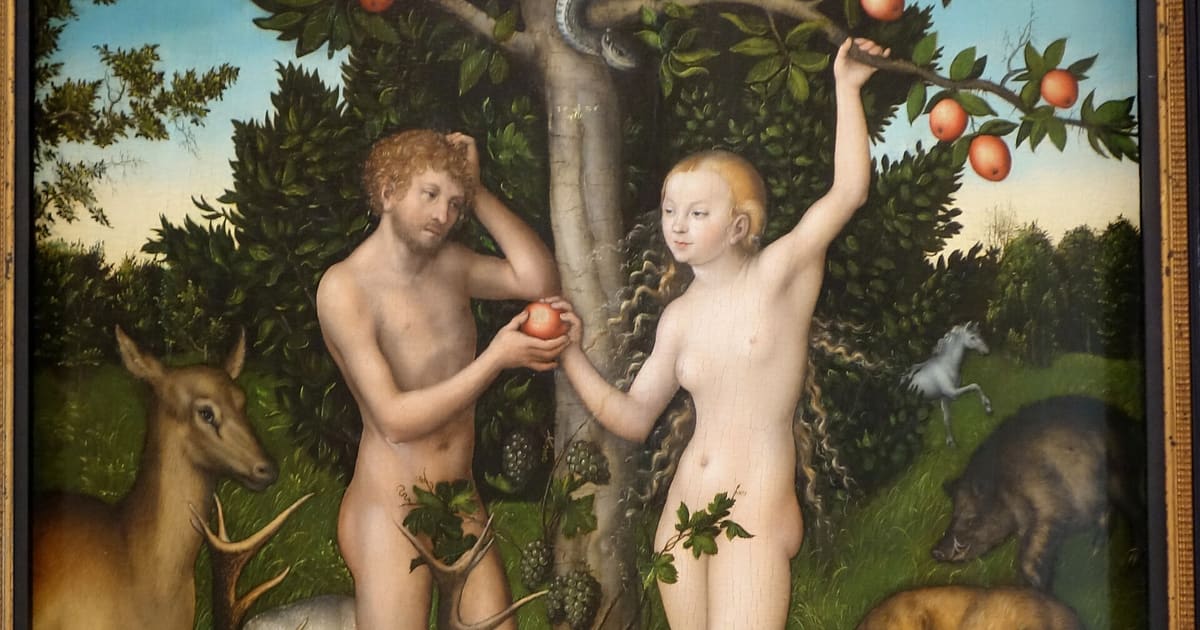
Forbidden knowledge is the trope in which a character goes after information that their world has put out of bounds. It might be a banned science, a sealed library, a spell the authorities want buried or a truth about the place they live. Readers search for it as forbidden secrets, dangerous knowledge or forbidden knowledge horror, and it is most common in fantasy, gothic horror and dark academia.
The pull of the locked door
The trope taps an old instinct. A closed door is an invitation, and a story that tells you the answer is dangerous makes you want it more. The character's curiosity becomes the reader's, and the book earns permission to move slowly, because the question is the point.
It is also a comfortable way to explore a moral problem. Should some things stay hidden? Who gets to decide? The strongest books do not hand over a neat answer, which is why readers return to them. One chapter you are on the seeker's side, and the next you are not sure.
Settings help. An old library, a sealed archive or a laboratory that officially does not exist gives you something to picture, and the trope works best when the place feels as though it has been waiting for the seeker.
What the seeker risks
Forbidden knowledge rarely comes free. The usual costs are social, since the character is ostracised or hunted; physical, since the knowledge is literally dangerous to handle; and mental, since learning the truth changes how the character sees everyone else. Good authors use all three and let the price grow over time.
A reputation can go first, along with friends, status or a place in an institution. The body may follow, through illness, violence or a long wait for an answer. The mind goes last and stays lost: once the seeker has learned something, it cannot be unlearned.
Books that follow the trope
“The Atlas Six” brings six talented magicians into the Alexandrian Society, a secret fellowship that guards lost knowledge. Only five can be initiated at the end of the year, so the recruits must decide how far they will go to keep their places and whom they are willing to betray.
“Annihilation” sends four women into Area X, a coastal region sealed off for decades, to survey it as the twelfth expedition. The forbidden knowledge is the land itself, and the book is more eerie than explicit, which suits readers who enjoy slow dread.
“The Library at Mount Char” follows Carolyn and a dozen other orphans, raised by a man they call Father, who taught them strange arts from a library that may hold the secrets of creation. When Father vanishes, the siblings turn on one another for his power.
“A Discovery of Witches” begins with Diana Bishop, a historian and reluctant witch, who calls up an enchanted manuscript that every creature in Oxford wants. It is a romance too, but the manuscript drives the plot.
“The Dark Descent of Elizabeth Frankenstein” tells the Frankenstein story from a different angle. Elizabeth Lavenza is taken in by the Frankenstein family and becomes indispensable to Victor, and as he grows obsessed with creating life she helps conceal his work.
Outside the catalog, Mary Shelley's Frankenstein is the original forbidden knowledge story. Victor Frankenstein is so set on learning how to create life that he stops weighing the cost. Readers who expect a monster story are often surprised by how much of it is about a young man's guilt and his refusal to take responsibility for what he made.
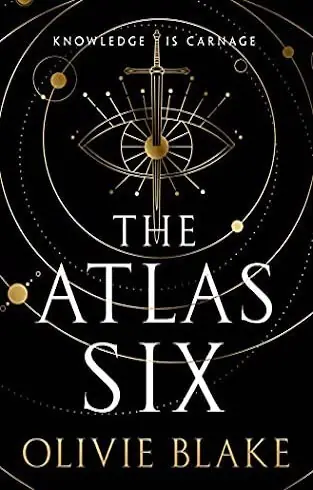
The Atlas Six
Olivie Blake
2020
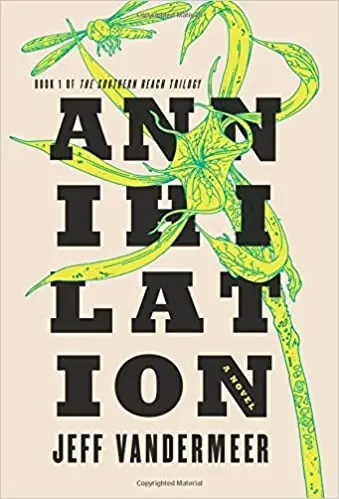
Annihilation
Jeff VanderMeer
2014
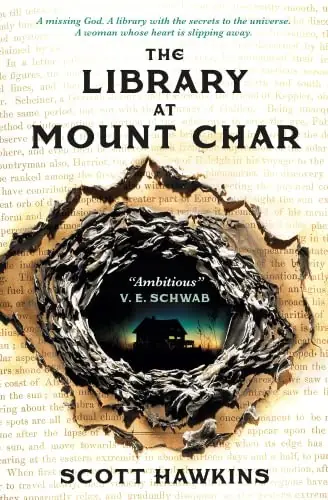
The Library at Mount Char
Scott Hawkins
2015
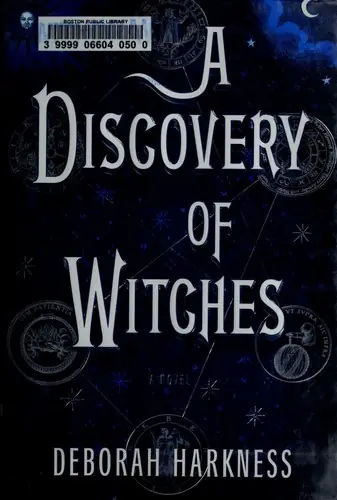
A Discovery of Witches
Deborah Harkness
2011
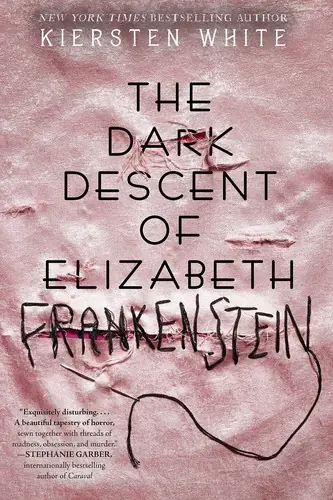
The Dark Descent of Elizabeth Frankenstein
Kiersten White
2018
When the secret is smaller than promised
The most common complaint is the reveal that does not pay off. A book builds up a secret for hundreds of pages, and when the truth arrives it is smaller or stranger than promised. If you want a clear answer, check whether the book is really about the search or about the answer.
A second complaint is the lecture. Some forbidden knowledge books turn into a debate about science or religion, and the characters stop acting. A good story keeps the seeker making choices, even when the ideas are heavy.
A subtler frustration is the secret that turns out to be common knowledge. When it was hidden for no good reason, the curiosity feels wasted. The most satisfying books make the hidden thing matter to the people keeping it hidden, even when you decide they were wrong.
Where to start
For a magic school feel and a clear cast, pick “The Atlas Six”. If you want the eerie version, “Annihilation” is a slow and unsettling choice. For the older version, Shelley's novel is still the one to read.
More stories where curiosity is the danger
46 books in the catalog. Add and exclude tropes, filter by genre and year.
Open in search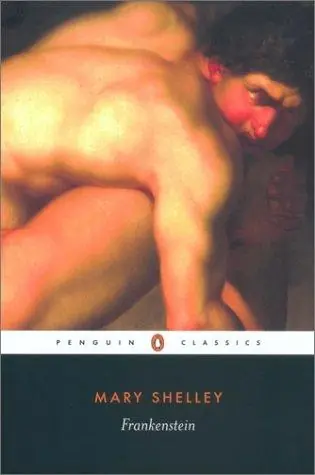
Frequently asked questions
What does forbidden knowledge mean in books?
It is a plot where a character pursues information, a discipline, or a hidden truth that the rules of their world say to leave alone. The danger is usually social or physical, and often both.
Is forbidden knowledge the same as a secret society story?
They overlap. A secret society often guards the knowledge, but the trope is about the pursuit itself. A book can have forbidden knowledge with no society at all, such as a scientist who goes too far on their own.
Do forbidden knowledge books always end badly?
Not always. Some end with the seeker transformed or in control of what they learned, while others end in ruin. The blurb usually makes clear how the book treats the cost.
Where should a new reader start?
The Atlas Six suits readers who like magic schools with a dark edge. Annihilation suits those who want a slow, unsettling story. Frankenstein is the classic reference point for the whole trope.