 Melancholic

Melancholy is a mood more than a plot. A melancholic book lets a quiet sadness run through its pages, and the loss it describes is often ordinary: a death in the family, a relationship that did not last, a life that went another way. Readers search for it as melancholy books, bittersweet literary fiction, or sad reflective books, and the mood turns up in literary fiction, young adult, and speculative novels.
A story that moves at the speed of grief
A melancholic story slows down. Scenes linger, and nothing is quite resolved. The reader is asked to sit with a feeling instead of racing toward an answer. That is a relief if you are tired of constant plot, and a frustration if you want things to happen.
The best of these books also make room for small pleasures: a meal shared, a walk home, a joke that lands at the wrong moment. Those details matter because the reader knows they will not last. Sadness is easier to bear when it is mixed with ordinary life.
Writers often show time passing through white space, silence, and repetition. A short chapter after a long one can change the feeling of a whole scene.
Why anyone reads on purpose to be sad
Some readers like to cry on purpose. Part of it is catharsis, the feeling of having been moved by something real. Part of it is comfort: a sad book is a safe place to feel grief without having to live it, and many people return to these books after a loss of their own.
The other draw is honesty. Melancholic fiction tends to avoid tidy lessons. It describes loss without promising that everything happens for a reason, and many readers trust that more than a neat ending.
Four books with a quiet ache
“The Fault in Our Stars” is the young adult entry most readers know. Hazel Grace, a teenager with terminal cancer, meets Augustus Waters at a support group, and their cautious romance grows through shared wit and a planned trip to Amsterdam. John Green is funny about illness as well as sad, and that mix is why it works.
“Normal People” is quieter. Connell and Marianne are drawn together in a small Irish town, then meet again at university in Dublin. Sally Rooney lets them circle each other for years, hurting and rescuing one another, unable to say plainly what they feel.
“Sing, Unburied, Sing” carries grief in a different register. Thirteen-year-old Jojo rides in the back of a truck as his mother drives across Mississippi to collect his white father from prison. The trip stirs up family history and two restless ghosts, and Jesmyn Ward uses it to draw Jojo toward a harder understanding of his mother and his own name.
“The Midnight Library” uses a fantasy device for a melancholic question. Stuck between life and death, Nora Seed finds a library whose shelves hold all the lives she might have lived. It sounds like a feel-good premise, and partly it is, but Matt Haig keeps the sadness of her choices in view.
Outside the catalog, Kazuo Ishiguro's Never Let Me Go is a good example of melancholy built from restraint. Kathy H. looks back on her years at a boarding school in the English countryside, and the sadness comes from what she only half understands.
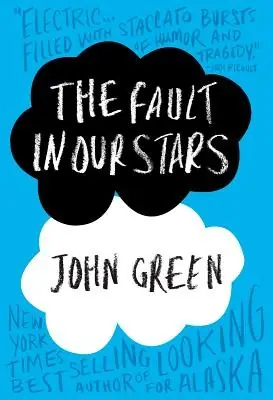
The Fault in Our Stars
John Green
2012
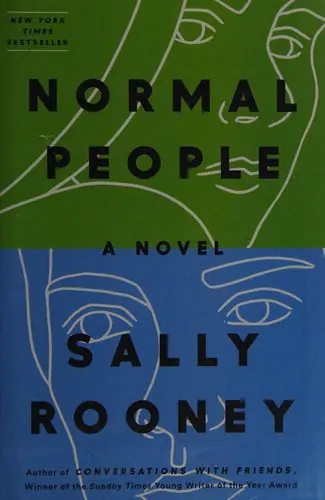
Normal People
Sally Rooney
2018
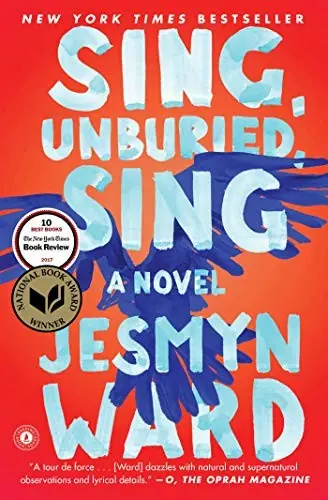
Sing, Unburied, Sing
Jesmyn Ward
2017
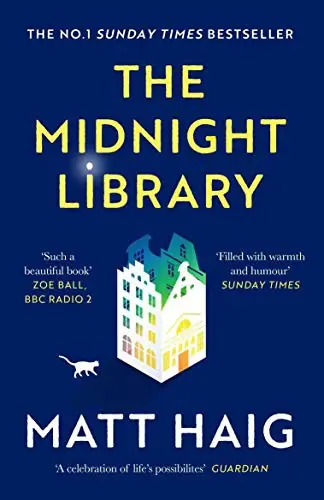
The Midnight Library
Matt Haig
2020
When the mood outstays its welcome
The usual complaint is a story where nothing happens for hundreds of pages. A melancholic mood needs some movement, even if it is only a conversation that changes how two people see each other. Without that, the book feels like one long sigh.
The other complaint is sadness used only to make the reader cry. If every chapter ends in a tragedy, the grief starts to feel manufactured. The strongest books let the sadness come from the characters, not from the author's hand.
Before you start, ask whether the book has a reason to be quiet, or whether quiet is just a way to avoid conflict.
Where to begin if you are feeling fragile
For a warm, sharp entry, “The Fault in Our Stars” is the one most readers already know. For a quiet literary romance with a sad undertow, begin with “Normal People”. If you want the sadness wrapped in a hopeful idea, try “The Midnight Library”.
Want more books with a quiet ache?
92 books in the catalog. Add and exclude tropes, filter by genre and year.
Open in search
Frequently asked questions
What does melancholic mean in books?
It describes a story where a quiet sadness and a sense of loss shape the mood more than any single event. The sadness often sits next to tenderness and hope rather than replacing them.
Is a melancholic book the same as a sad book?
Not quite. A sad book may be devastating in one scene. A melancholic book stays with you longer, through its tone, its pacing, and the feeling that something has been lost.
Do melancholic books always end badly?
No. Many end on a hopeful or bittersweet note. If you want to avoid a heavy ending, read reviews that mention the last chapters.
Which melancholic book should I read first?
Normal People suits readers who like quiet literary romance. The Midnight Library suits those who want a reflective, hopeful novel with a sad core.