 Only One Bed
Only one bed is the romance trope in which two characters who are not together have to share a single bed because there is nowhere else to sleep. Readers also call it "there was only one bed" or the one-bed trope, and it usually arrives inside forced proximity: a sold-out hotel, a storm, a tiny flat, or a wedding with too few rooms.
Why readers like it
Two people who have spent the book avoiding the obvious are placed in a room with no alternative. The bed does the work of a confession without anyone having to speak. Every ordinary act, taking off shoes, claiming a side, deciding whether to leave the light on, becomes a negotiation about how close they are willing to be.
Readers also like the honesty of sleep. A person who talks confidently all day can be vulnerable when tired, and a character who keeps control can be caught off guard by a nightmare or a cold room. The scene creates intimacy that feels physical before it becomes romantic.
The trope is also funny. It gives a couple something to argue about that is not the same old misunderstanding, and it lets a writer use embarrassment without making either character cruel.
What the scene needs
A shortage that makes sense. A sold-out conference, a storm, a budget flat, a wedding with too few rooms: the reason has to be clear enough that the characters cannot simply book another place.
Two people who cannot easily refuse. If one has power over the other, the scene can turn uncomfortable fast. The strongest versions give both characters a reason to stay and a way to say no.
Rules for the night. A pillow between them, a blanket, a promise to stay on one side. The rules are where the tension lives, because they can be kept or broken.
One small change by morning. A hand that moved, a conversation in the dark, a joke that lands differently. The bed should leave the relationship different from how it found it.
How it changes from book to book
Travel is the simplest version: a hotel, an inn, a rented apartment, and a reservation that went wrong. Shared housing is the domestic version, where the bed is not a one-night problem but a daily arrangement. A fake relationship adds an audience, since the couple may be sharing to keep up appearances. Fantasy and historical stories use the same device on the road, where the next town is far away and the room is already paid for.
Only one bed usually sits inside forced proximity, and it pairs naturally with enemies to lovers, fake dating, friends to lovers, and second chance romance. It can slow a slow burn or give a couple in a mutual pining story the first real proof that the feeling is mutual.
Examples
The clearest case in the catalog is “The Flatshare” by Beth O'Leary. Tiffy and Leon share one bed in shifts because neither can afford a place of their own, and they get to know each other through notes instead of meeting. The arrangement is practical, which makes every small intimacy feel earned.
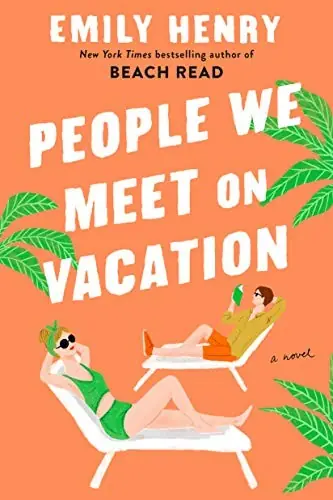
“People We Meet on Vacation” by Emily Henry puts Poppy and Alex in a Palm Springs rental with one bed and a broken air conditioner. They are best friends who have been avoiding a conversation for years, and the room gives them no comfortable way out.
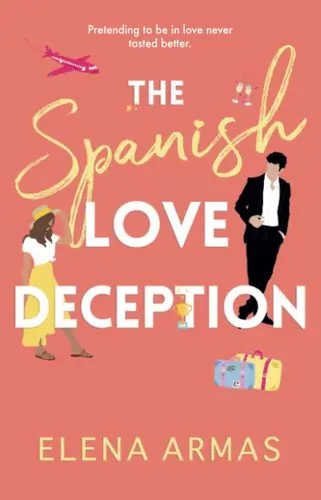
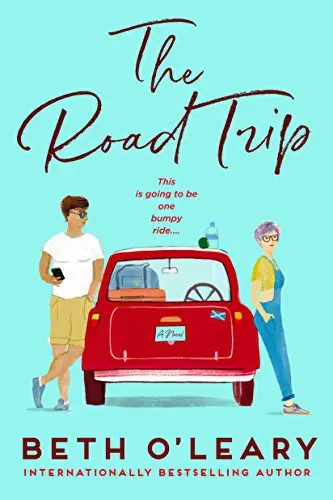
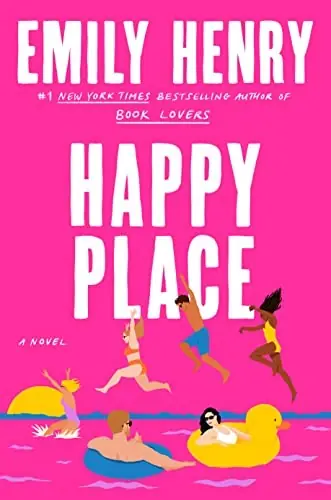
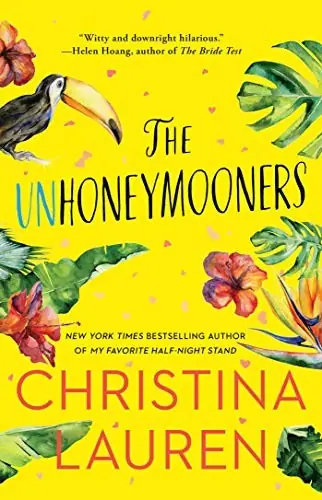
“The Unhoneymooners” by Christina Lauren sends Olive and Ethan on a fake honeymoon in Hawaii, posing as a couple to keep the free trip. “The Spanish Love Deception” by Elena Armas uses a family wedding in Spain and a pretend relationship, with hotel rooms that keep Catalina and Aaron close. “The Bodyguard” by Katherine Center moves Hannah into Jack's family ranch, where a professional assignment becomes a shared domestic life. “The Road Trip” by Beth O'Leary traps exes Addie and Dylan in a car on the way to a wedding in Scotland. “Happy Place” by Emily Henry has Harriet and Wyn share a room at a Maine cottage while pretending to their friends that they are still together.
Outside the catalog, Tessa Dare's A Week to Be Wicked takes the device on the road, where a Regency couple has to manage inn rooms and a long journey. The Other Miss Bridgerton by Julia Quinn keeps its couple in close quarters on a ship, and both books appear often on reader lists built around the trope.
What can go wrong
A shortage that exists only because nobody asks a simple question can feel contrived. So can a character who ignores clear discomfort because the plot needs the scene to continue. The bed should create pressure, not remove the need for consent.
Some readers also dislike the idea that being trapped together settles an argument. If the couple wakes up and nothing changes in how they speak to each other, the trope has been used as a pause rather than a turning point. The best versions let the night cost something, even if it is only pride.
Where to start
For the literal version, read “The Flatshare”. For friends who need a push, try “People We Meet on Vacation”. For enemies and a fake honeymoon, pick “The Unhoneymooners”. If you want historical rooms and a journey, start with A Week to Be Wicked.
Want the one-bed tension without a love triangle?
6 books in the catalog. Add and exclude tropes, filter by genre and year.
Search without “love triangle”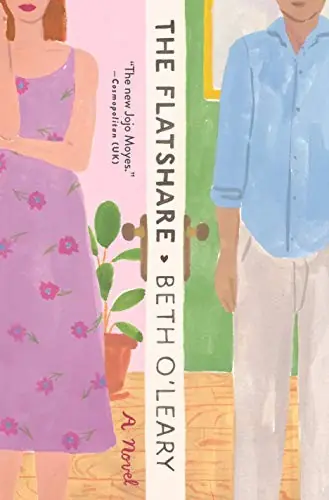
Frequently asked questions
What does only one bed mean in books?
It is a romance setup where two characters have to share a single bed because no other room is available. The shortage can come from a sold-out hotel, a storm, a small flat, or a wedding with too few guest rooms.
What is the difference between only one bed and forced proximity?
Forced proximity is the broader idea: circumstances keep two characters together. Only one bed is a specific scene inside it, where the pair also has to share a bed. A book can use forced proximity without ever giving the couple one bed.
Is only one bed always a romance trope?
No. Fan fiction, comedy, and adventure stories use it too. In romance it usually marks a turning point, while in other genres it can be played for embarrassment, mystery, or simple practicality.
Which book should I read first?
Start with The Flatshare for the most literal version, People We Meet on Vacation for friends who avoid the obvious, or The Unhoneymooners for enemies on a fake honeymoon. A Week to Be Wicked is a good historical choice.