 Secret Society
A secret society is a hidden group that runs alongside ordinary life, with its own rituals, rules, and purpose. The trope usually follows an outsider who finds the group, gets pulled in, and then has to decide what they are willing to do. Readers look for it as secret society books, a secret order, or hidden order stories, and it runs through dark academia, urban fantasy, espionage thrillers, and historical mysteries.
Why the newcomer is always the one holding the lantern
These books need someone who does not know the rules. That newcomer is the reader's stand-in. They ask the questions you are asking, and the group answers slowly, with a cryptic remark and a closed door.
The recruitment scene, where the outsider is offered something they cannot easily refuse, is usually where the book hooks its reader. A good outsider has a reason to say yes beyond curiosity: a debt, a grief, a need to belong somewhere.
Ranks, codes, and the price of joining
There is a particular satisfaction in a system with ranks, codes, and initiation rites. Readers who enjoy puzzles like working out what a symbol means, or why one member keeps glancing at the door. The best books let you feel slightly behind, which is the point.
The other draw is the cost of belonging. Joining a secret group usually means giving something up: loyalty to an old friend, a clean record, a sense of who you were before. That trade is where the emotional weight sits.
Three kinds of closed door
- A campus elite that quietly governs student life and expects members to repay the favour.
- A government agency that works in the dark and answers to no one in public.
- A small clique with a dark history, sometimes built around a charismatic teacher or founder.
The third is closest to the old tradition of the secret circle, and dark academia has made it popular. Many readers find it the most unsettling, because the danger feels close to home.
Four books behind the door
“Ninth House” follows Galaxy "Alex" Stern, the lone survivor of a brutal murder, who is offered a place at Yale by the secret societies that run the university's magic. Her task is to watch their rituals, but when a local girl dies she must use the very power she fears to find the killer. Leigh Bardugo makes it a dark campus mystery with a strong sense of place.
“Legendborn” begins after Bree Matthews's mother dies. Bree joins an early college program at UNC and witnesses a demon attack that no one else remembers. She is pulled into a secret society descended from King Arthur's knights and hunts for the truth behind the magic that erased her memory.
“The Rook” starts with a woman who wakes in a London park with no memory, surrounded by bodies, holding a letter from her former self. The letter explains that she is an officer in a secret agency guarding Britain from supernatural threats. Daniel O'Malley is funny and fast, and treats the secret society as a workplace, a welcome change.
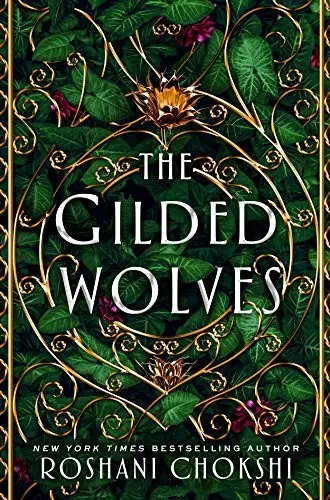
“The Gilded Wolves” is set in Paris in 1889. Severin Montagnet-Alarie, a hotelier and treasure hunter, is offered the chance to reclaim the inheritance his family was denied. To earn it he must assemble a crew and steal an ancient artifact, a job that takes them into the secret society that rules the city's magic. Roshani Chokshi gives it heist energy.
Outside the catalog, Donna Tartt's The Secret History is the classic campus novel built around a small, exclusive circle of Classics students in New England. It is closer to a clique than a formal society, but many readers name it first when they think of the trope.
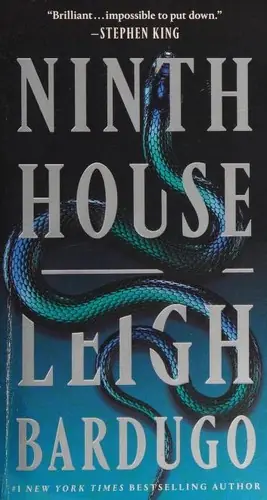
Ninth House
Leigh Bardugo
2019
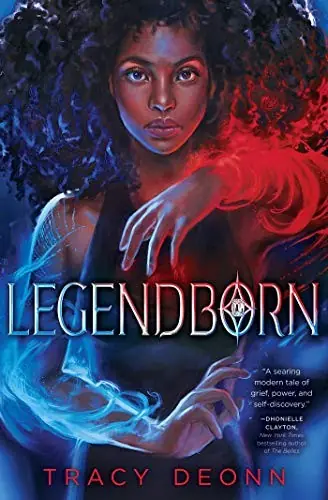
Legendborn
Tracy Deonn
2020
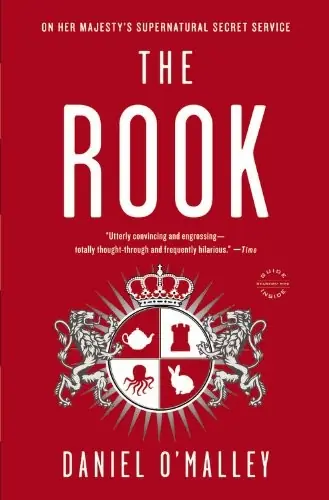
The Rook
Daniel O'Malley
2012
The Gilded Wolves
Roshani Chokshi
2019
When the society explains too much
The usual complaint is that the society is a convenient explanation. When every odd event turns out to be the same hidden group, the tension goes. Readers want the group to matter, not to account for everything.
A quieter problem is the society that exists only to look mysterious. If the members want nothing beyond access and a vague menace, the group is a costume. The strongest versions give the society a goal the protagonist can judge, even if they reject it.
The third is the rulebook that grows faster than the story. A dozen ranks, codes, and oaths are fun for a chapter, then they swamp the characters. Good books keep the rules small enough to remember and let the people carry the plot.
Where to knock first
For a dark campus mystery, begin with “Ninth House”. For a fast, witty spy story with a secret agency, “The Rook” is the pick. If you like your hidden order with Arthurian legend, try “Legendborn”.
Want more books with a hidden order behind the door?
40 books in the catalog. Add and exclude tropes, filter by genre and year.
Open in search
Frequently asked questions
What does secret society mean in books?
It is a story where a hidden group operates behind ordinary life, usually with its own rules, rituals, and goals. The protagonist discovers the group, is recruited by it, or is hunted by it.
Is a secret society the same as dark academia?
They often overlap. Many dark academia novels are set in elite schools with a clique at the centre, but a secret society can also be an espionage agency, a fellowship, or a family cult.
Are secret society books always sinister?
No. Some societies are dangerous, but others are warm or oddly cosy. The tone depends on the author, so check the blurb to see whether the group is a threat.
Where should a new reader start?
Ninth House suits readers who like a dark campus mystery. The Rook suits those who want a fast, witty spy story with a secret agency at its centre.