 Survival
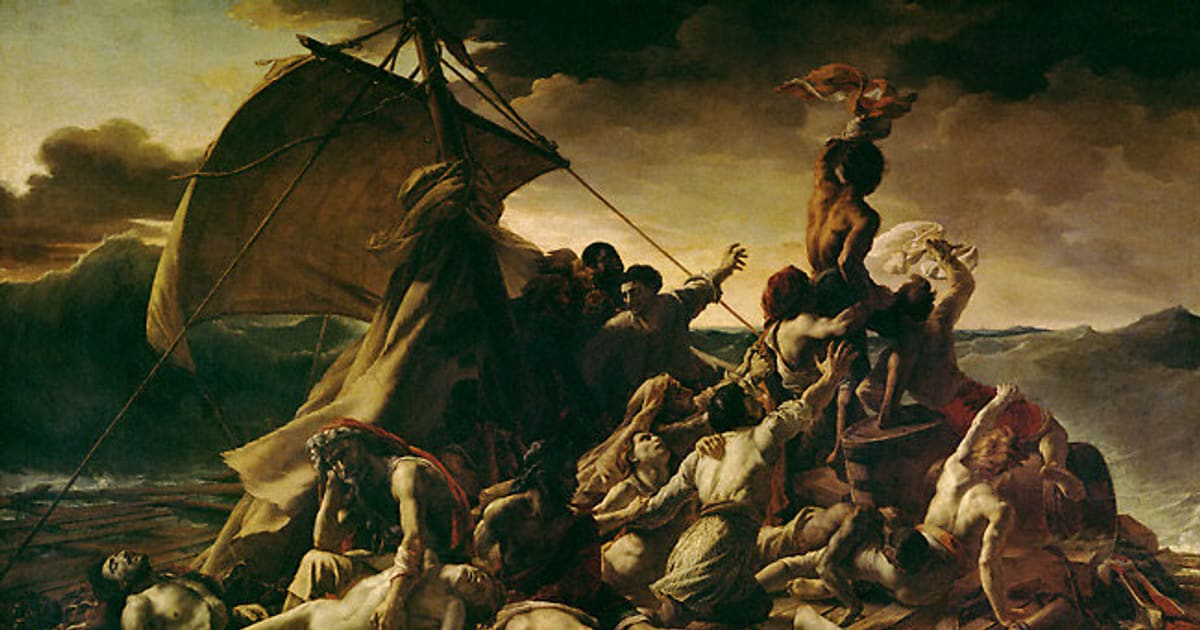
Survival is the trope in which the characters' first job is to stay alive. The danger comes from the place itself: a desert, a frozen expedition, a shipwreck, a city where the food has run out, or a planet with no breathable air. Readers also search for it as survival books, survival story, or stranded survival novels, and it turns up across adult fiction, young adult, and science fiction.
No villain required
Plenty of novels have villains and monsters, but the survival trope is narrower. The threat is mostly physical, and the story spends its pages on the mechanics of getting by: finding water, rationing food, keeping a fire lit, working out why the radio has gone quiet. Each small problem solved buys a little more time, and the reader starts keeping count.
That focus makes the plot feel practical. A character who fixes a broken filter in one chapter has done something you can picture, which is why these books are so easy to fall into late at night. The best ones treat every choice as a cost. Nothing is free.
Why we count the rations along with them
Part of the pull is the countdown. When the situation is simple, such as needing water by tomorrow or running out of oxygen, the stakes are obvious and the pages turn fast. Part of it is competence: watching someone patient and clever work through a hard problem is oddly satisfying, even when the problem is a rationed meal and a dead engine.
There is also a quieter pleasure. Survival stories are often about what people will do to live, and the answers are rarely comfortable. Readers who like morally grey characters tend to enjoy this part most, because the rules start to bend once food and water run short.
Alone, in a group, or against the land itself
- Stranded alone, with a clock running and limited supplies.
- Lost as a group, where cooperation and conflict fight for the same space.
- Trapped in a hostile environment that is not a battlefield but still wants you dead.
The third stretches furthest. A frozen region, a land that breaks apart underfoot, or a planet that does not want visitors can all serve, and science fiction pushes the premise hardest.
Survival is not the same as the end of the world
The difference matters if you are picking a mood. post-apocalyptic world describes a world that has already collapsed. Survival fiction describes a moment of danger, which can be a single crisis inside an ordinary world. You can read a survival novel set on a research ship or on Mars with no dystopian government in sight. The two overlap often enough that many books sit on both shelves.
Four ways to stay alive
“The Martian” is the most direct entry point. During a mission to Mars, astronaut Mark Watney is presumed dead and left behind. Alone, with limited supplies and no way to call Earth, he applies his botany and engineering skills to grow food and signal that he is alive. Andy Weir builds the whole book out of the problems he has to solve.
“Project Hail Mary” begins with a man waking on a spacecraft with no memory of his name and two dead crewmates. As his past returns, he learns he is humanity's last hope against a dying sun. Survival here is as much about working out who he is as about the ship, which gives the novel a second engine.
“The Fifth Season” takes the premise somewhere else. In a land torn by earthquakes and ash, orogenes can still the earth but are enslaved for it. N. K. Jemisin follows three women, a mother, a daughter, and a student, through a broken world as a new catastrophe begins, so survival is political as much as physical.
“The Arctic Fury” opens in a Boston courtroom. Virginia Reeve was hired to lead a dozen women into the Arctic in search of a lost expedition, and when only some of them came back, she was tried for murder. Greer Macallister lets the testimony and the journey north slowly reveal what happened on the ice.
Outside the catalog, Gary Paulsen's Hatchet is the book many readers name first. A thirteen-year-old is left alone in the Canadian wilderness after a plane crash. It is written for younger readers, but adults return to it often.
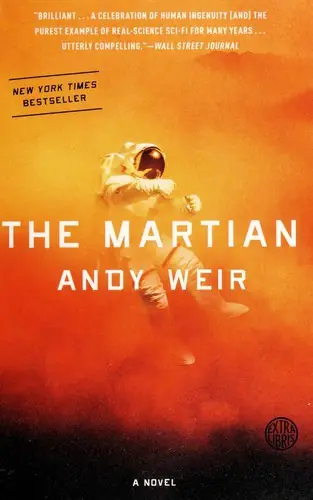
The Martian
Andy Weir
2011
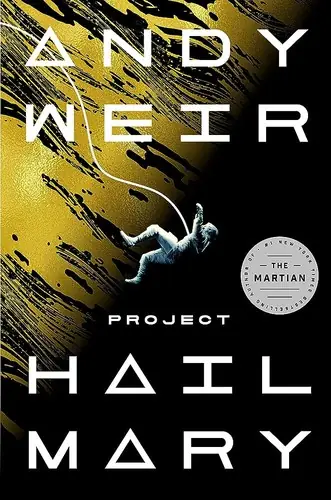
Project Hail Mary
Andy Weir
2021
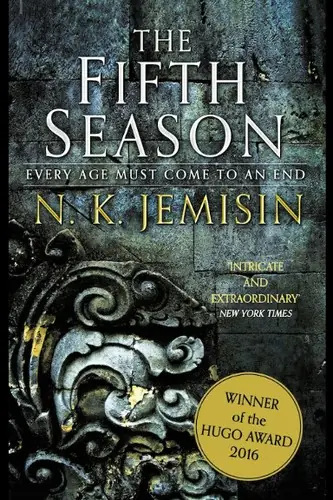
The Fifth Season
N. K. Jemisin
2015
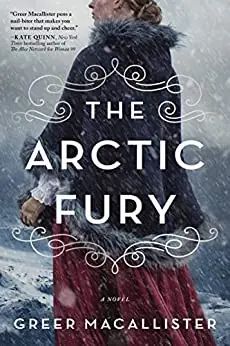
The Arctic Fury
Greer Macallister
2020
When the details stall the story
The common complaint is that the survival details are either too thin to trust or so dense they stall the story. Readers who want a lighter read should pick a book where some problems resolve with a little help. Repetition is another risk: four hundred pages of hunger and cold can turn into a slog, so check reviews for pacing before you commit.
Some readers also dislike survival stories that go dark in a way that feels like cruelty for its own sake. The genre allows brutal choices, but the best examples make those choices cost something instead of using them as shock.
Where to start
Begin with “The Martian” if you want the problem solving to be the story. “Project Hail Mary” keeps that appeal and adds a bigger, stranger premise. Choose “The Arctic Fury” if you prefer a historical setting and a mystery in the frame.
Want more books where the setting is the enemy?
128 books in the catalog. Add and exclude tropes, filter by genre and year.
Open in search
Frequently asked questions
What does survival mean in books?
It is a story where the main pressure is staying alive. The danger comes from the environment, from hunger or weather, or from a hostile place, and the plot follows the practical decisions that keep the characters going.
How is a survival story different from a post-apocalyptic book?
Post-apocalyptic fiction is about a world that has already ended, and survival is one of its themes. A survival story can happen anywhere, including a spaceship or a mountain range, and the collapse of society does not have to be part of it.
Are survival books always grim?
No. Some are tense and bleak, but others are funny or hopeful, and many mix hard problem solving with real warmth between the characters. The blurb usually shows how the author handles despair.
Which survival book should a beginner pick?
The Martian is a practical starting point, because the problem solving is the story. Project Hail Mary keeps the same appeal and adds a bigger, stranger premise.