 War Fiction
Wartime fiction is set while a war is happening, and the war changes what the characters can do, who they can trust, and how long they have. The setting is as much a character as any person in the story. Readers search for it as wartime books, war story, or WWII fiction, and the trope covers everything from realist historical novels to fantasy battlegrounds.
What a war does to an ordinary Tuesday
A war gives a plot its pressure without help from the author. Ordinary decisions suddenly carry weight. Who you let into your house, what you write down, whether you answer a knock at the door: each choice can get someone killed. A good wartime novel uses that pressure quietly, and the reader feels it in small domestic details as much as in big events.
The war also shapes what characters are allowed to feel. Grief has to wait, love has to be hidden, and a normal day can be the most dangerous one. That mix of the ordinary and the threatening keeps these books from feeling like textbooks.
The people the history books skip
Readers often come to wartime fiction for the people, not the battles. The stories tend to follow women, children, couriers, nurses, and others who were not on the front line but made it possible to survive. That gives the books a fresh angle on history and makes the stakes personal.
There is also a pleasure in the moral test. When the state is at war, the rules shift, and the reader watches characters decide what they will do under pressure. Those decisions are often why a book stays in your head for weeks.
Home front, resistance, or the road
- A home-front story, where the war is felt through rationing, loss, and the knock on the door.
- A resistance or espionage story, where characters work in secret against an occupying force.
- A journey story, where refugees or soldiers move through a landscape the war has broken.
Each form changes the feel of danger. The home front creeps, the resistance tightens, and the journey keeps moving, which makes the last a good choice for readers who want momentum.
Five books set under fire
“All the Light We Cannot See” follows a blind girl and her father as they flee Paris for the walled city of Saint-Malo during the German occupation, carrying a valuable jewel. In Germany, an orphan with a gift for radio repairs is drawn into the war machine, and Anthony Doerr moves their separate paths slowly toward the same besieged town in August 1944. It suits readers who like careful prose and quiet detail.
“The Nightingale” takes the occupied-France view. Two sisters take very different roads through the war: one keeps her daughters safe in the countryside while sheltering fugitives, the other joins the resistance and guides downed airmen over the Pyrenees. Kristin Hannah makes it as much a book about a strained family bond as about the occupation.
“Code Name Verity” is a fast, tense spy story. A British wireless operator and a pilot become close friends before a mission goes wrong over occupied France. Captured by the Gestapo, the operator is forced to write down what she knows, and Elizabeth Wein lets her account reveal more than it first seems. It suits readers who like twists.
“Salt to the Sea” follows four young refugees crossing a frozen East Prussia in the winter of 1945, each hiding a secret and hoping to reach a ship that will carry them west. Ruta Sepetys gives the novel its momentum through the journey, and writes for younger readers without losing the weight.
“The Poppy War” shows the trope works in fantasy too. Rin, a war orphan from the impoverished south, tests into the empire's elite military academy and discovers a shamanic power tied to the gods. When war with the Federation erupts she is forced to use it. R. F. Kuang's war is invented and brutal, and readers who think of wartime fiction as strictly historical will find a different kind of intensity.
Outside the catalog, Markus Zusak's The Book Thief is a wartime story narrated by Death. It follows a girl in Nazi Germany and the ordinary people around her, and the narrator gives the book a distinct tone.
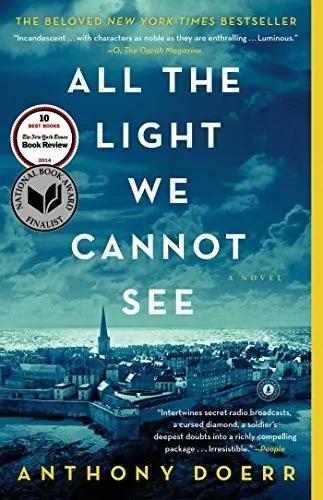
All the Light We Cannot See
Anthony Doerr
2014
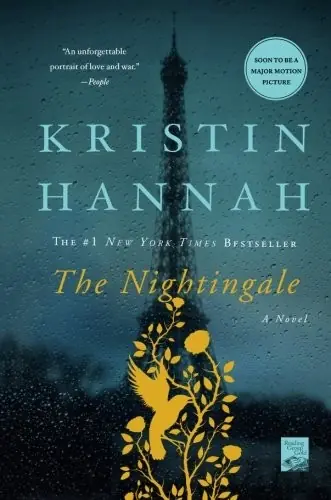
The Nightingale
Kristin Hannah
2015
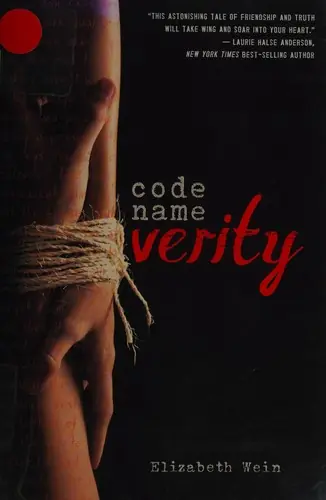
Code Name Verity
Elizabeth Wein
2012
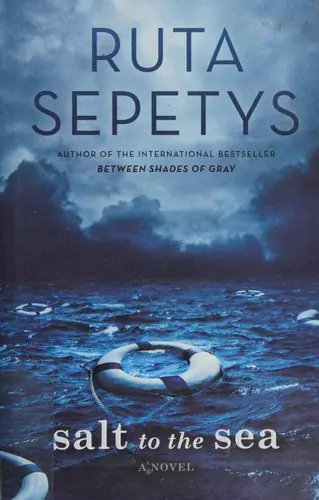
Salt to the Sea
Ruta Sepetys
2016
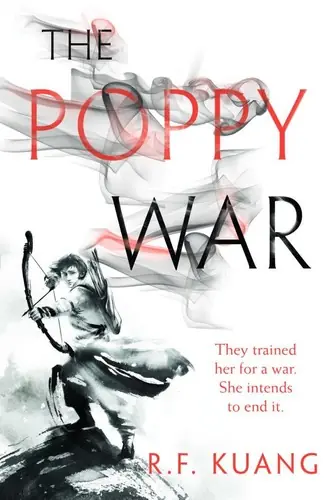
The Poppy War
R. F. Kuang
2018
When the war is just wallpaper
The common complaint is a war used as a backdrop that never touches the characters. If the battles are only a reason for the romance or the chase, the setting feels like wallpaper. Wartime books work best when the characters' choices are shaped by what the war does to them.
The other complaint is grimness for its own sake. Some books pile on suffering until the reader is worn out instead of moved. A strong wartime novel gives you room to breathe, with a moment of friendship or humour before the next blow.
Where to start
For literary readers, “All the Light We Cannot See” is a strong first choice. If you want family drama, take “The Nightingale”. For a spy story with a hard emotional core, “Code Name Verity” is quicker to get into.
More books set in the middle of a war
55 books in the catalog. Add and exclude tropes, filter by genre and year.
Open in search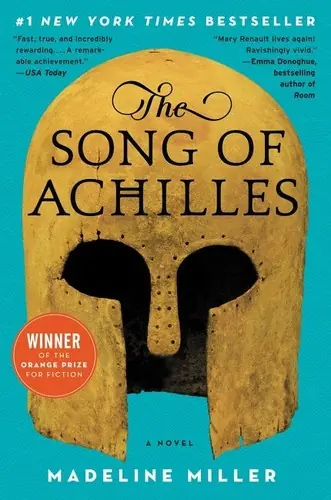
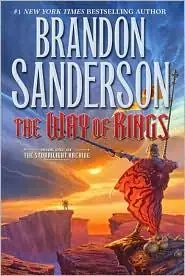
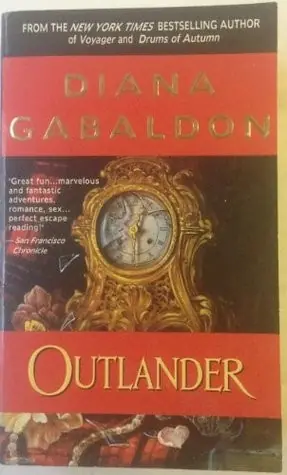
Frequently asked questions
What counts as a wartime book?
A wartime book is set during a war, and the war shapes the characters' lives directly. The battles may stay offstage, but the story is about how people live, resist, or survive while the conflict goes on.
Is wartime fiction always about World War II?
Most popular examples are, but the trope covers any war, including invented conflicts in fantasy. World War II is common because it has so many personal stories to draw on.
Are wartime novels too heavy for a light read?
Many are sad, but the best also carry friendship, humour, and small acts of kindness. The blurb will show how close the story sits to the fighting.
Which wartime book should I start with?
All the Light We Cannot See is a common first choice for literary readers. The Nightingale suits readers who like family drama, and Code Name Verity suits those who want a spy thriller.